Your temperature gauge stays near its usual position, yet the heater blows barely warm air even after a long drive. It's easy to assume a cooling-system problem would always make the engine overheat, but cabin heat relies on a smaller part of the coolant circuit. A restricted heater core may reduce warmth inside the car while the radiator still keeps the engine at a normal temperature. Confirming that distinction helps avoid replacing the wrong part.
The Heater Core Is a Small Heat Exchanger
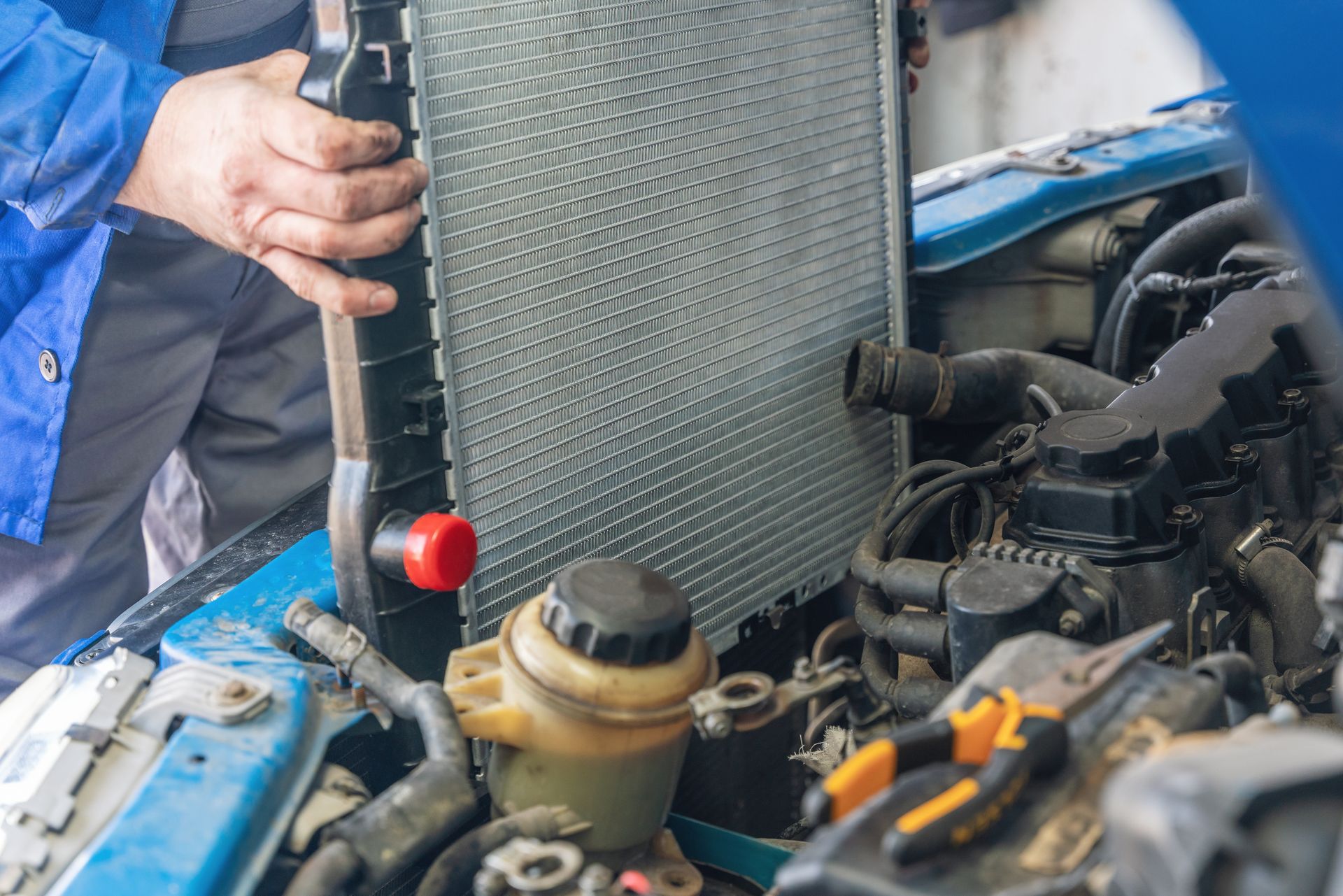
A heater core resembles a compact radiator hidden inside the dashboard. Hot engine coolant flows through its narrow passages, and the blower moves cabin air across the core's fins. Heat transfers into the air before it reaches the vents. In many conventional vehicles, coolant circulates through the heater circuit independently enough that a problem there doesn't always interrupt the main radiator's ability to cool the engine.
Some vehicles use heater control valves, auxiliary pumps, or multiple heater circuits, while others regulate cabin temperature mainly through air-mixing doors. A heater core restriction affects warmth when less hot coolant passes through it. The engine can remain within normal temperature limits because the larger cooling circuit continues working. Understanding the plumbing is the starting point for an accurate inspection.
Deposits and Corrosion Can Restrict Heater Flow
A heater core's passages are narrow, so rust particles, scale, sealant residue, and deposits from neglected coolant maintenance can reduce flow. Mixing incompatible coolant products sometimes contributes to deposit formation in certain cooling systems. A partial blockage may allow a little hot coolant through while reducing the core's capacity to warm air. At idle, the heat may feel especially weak because coolant flow and fan operation change with engine speed.
A core that becomes blocked doesn't always leak, and visible coolant loss isn't required for poor heat. Still, contamination in the heater core often raises questions about the rest of the cooling system. Coolant condition and the surrounding components help determine if cleaning or replacement makes sense. Flushing a restricted core without understanding its age and condition may dislodge deposits or expose weak seals. The repair method needs to suit the actual system.
Normal Engine Temperature Doesn't Prove the Heater Is Healthy
The dashboard temperature gauge often shows a stabilized, simplified reading, not a precise live coolant temperature. An engine can also reach normal operating temperature while a heater circuit receives inadequate flow. That is why the lack of an overheating warning doesn't rule out a localized heater problem. Conversely, some engines that run too cool due to a thermostat fault provide poor cabin heat without showing an obvious red warning.
We consider actual coolant temperature data, heater hose temperatures, and the manufacturer's coolant routing. A large temperature difference across the core may support a restriction under the correct operating conditions, but those readings alone aren't a final verdict. Trapped air, a closed valve, or another flow problem can create similar results. Accurate diagnostics separate an engine-temperature issue from a heater-circuit issue before major dashboard work is approved.
Air Doors and Blower Faults Can Mimic a Clogged Core
Many climate systems direct air through or around the heater core using blend doors. If an actuator or door gets stuck, the air may stay cool even when the core itself is hot. A restricted cabin filter or failing blower lowers airflow, which changes how much warm air reaches the passenger compartment. The result can feel almost identical from the driver's seat, especially when only one vent is checked.
A heater that only warms up when the engine is revved has a different pattern from one side of the dashboard staying cold at every speed. Even on a cool morning in Okeechobee, those details help distinguish low coolant flow, trapped air, and a blend-door concern. Don't reach for hot heater hoses yourself.
Does the temperature change when you select different settings, or is one side of the cabin colder than the other? Dual-zone climate systems add separate doors and sensors that need evaluation. A targeted inspection connects the climate control commands with actual airflow and coolant behavior. Replacing a heater core won't repair a blend door that never moves. A focused test helps protect your repair budget and keeps the dashboard from being disassembled unnecessarily.
Low Coolant and Trapped Air Change Heater Performance
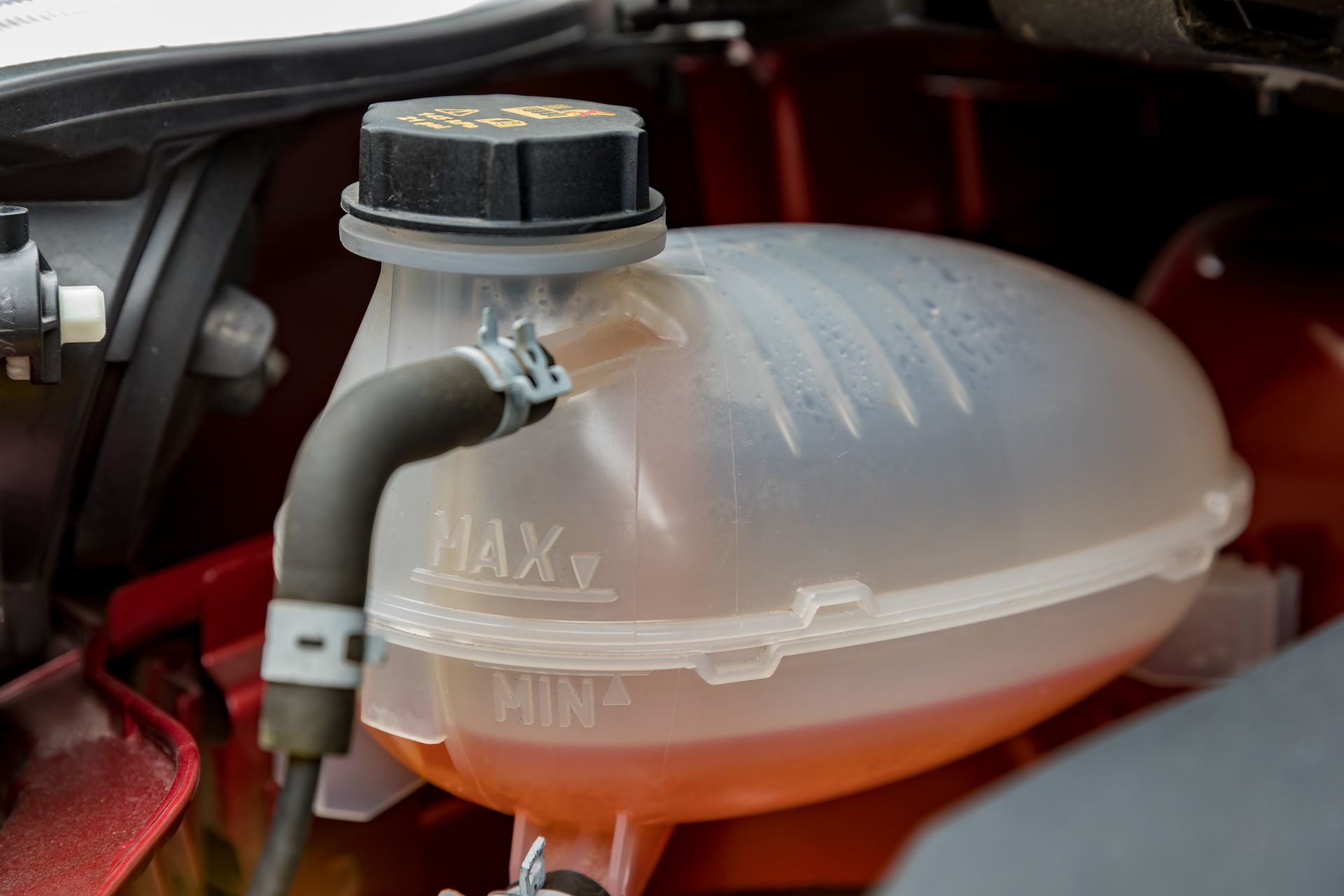
When coolant level drops, some vehicles lose heater output before the temperature gauge climbs. Air pockets in the heater circuit interrupt heat transfer and produce intermittent warmth or gurgling sounds. Leaks at hoses, the water pump, radiator, or other connections must be considered. Recent coolant service can also leave air trapped if the refill and bleeding procedure wasn't completed correctly.
Never remove a hot coolant cap to try to release that air. Report frequent top-offs, an unusual coolant smell, or heat that disappears during acceleration. Leak checks and the engine-specific coolant bleeding procedure are part of verifying the repair. Scheduled maintenance helps protect the cooling passages, but replacing coolant alone won't fix a damaged valve, leaking hose, or clogged heater core that's already severely restricted.
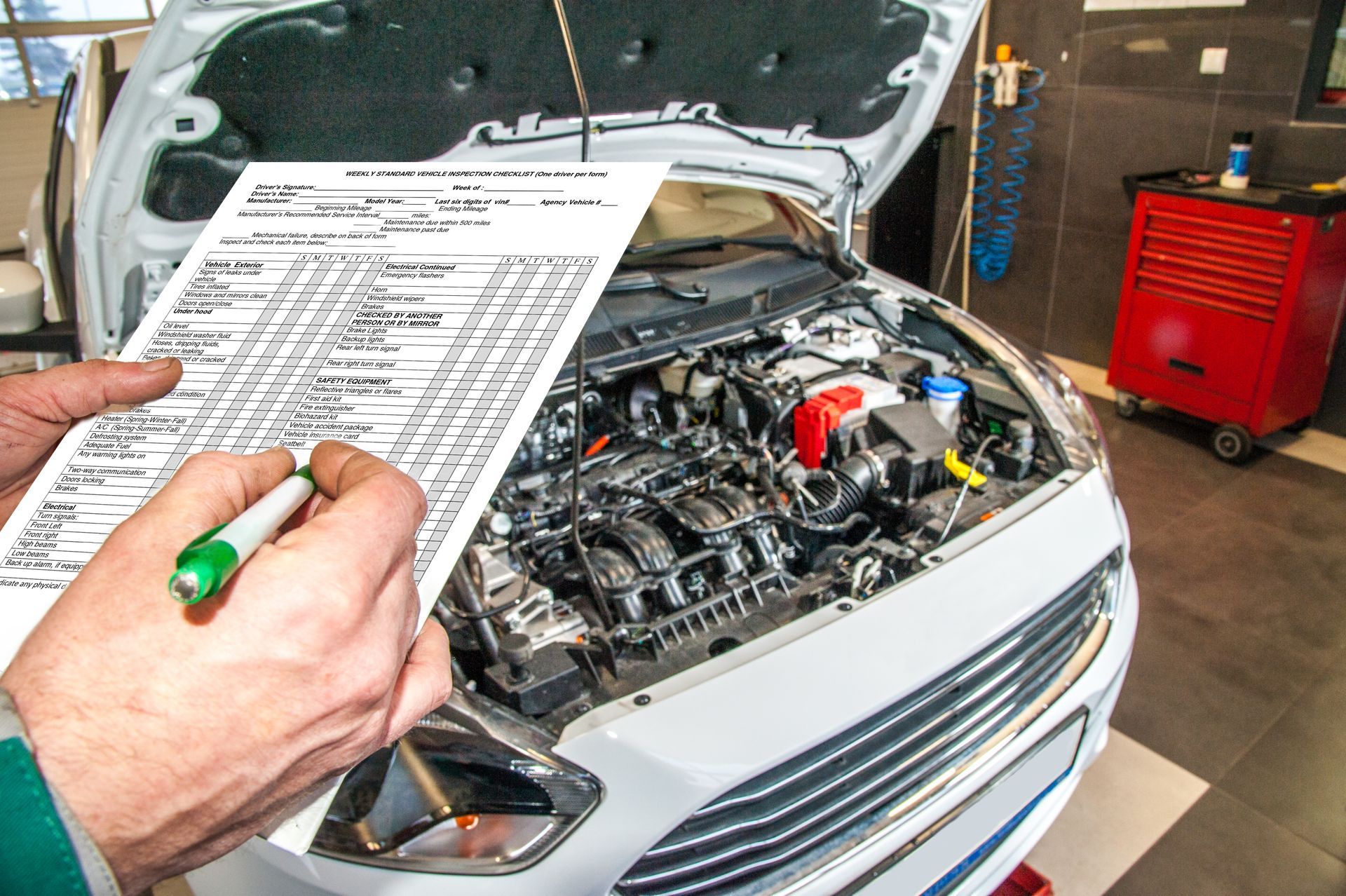
A good inspection follows coolant flow and cabin temperature together. The first steps often involve checking actual engine temperature, system fill level, air-mixing controls, and the heater hoses. A vehicle-specific procedure may include pressure testing or carefully comparing temperatures under defined conditions. The evidence determines if the core is restricted, the blend door isn't responding, or the engine isn't producing sufficient heat.
Tell the repair professional if heat improves while driving, becomes cool at idle, or differs between the left and right vents. Also mention a falling coolant level, unusual engine temperature, or a sweet smell inside the cabin. Those observations separate a flow restriction from an air-door or coolant-loss problem.
A pattern like this provides stronger diagnostic clues than simply reporting that the heater is broken. It helps distinguish fluid-flow problems from airflow and control faults.
Repair Choices Depend on the Core's Condition
Some manufacturer-approved cleaning procedures may restore flow when the obstruction is minor, and the core is in good condition. Other heater cores require replacement, particularly when leakage or severe restriction is confirmed. Core access varies considerably, and certain cars require substantial dashboard disassembly. That cost makes accurate testing especially important before a repair is authorized.
Get Heater Core and Cooling System Inspection in Okeechobee, FL, With AAA Radiator & Air Conditioning Inc
AAA Radiator & Air Conditioning Inc in Okeechobee, FL can investigate weak heater output and coolant-flow concerns. We'll distinguish heater-core restrictions from thermostat and climate-control faults before recommending repairs.
Call
AAA Radiator & Air Conditioning Inc or schedule an appointment online.