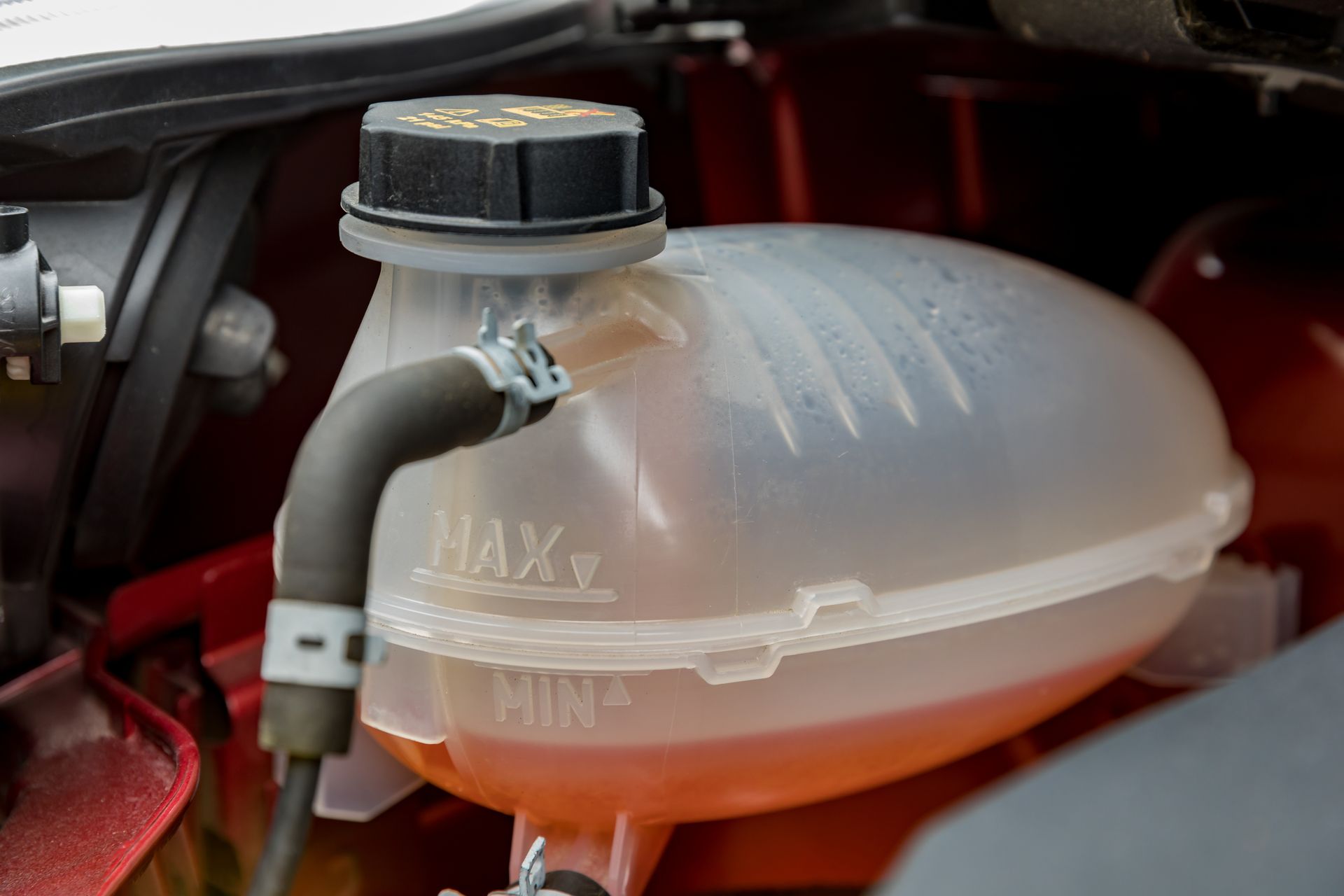
A damp streak down the side of the radiator can disappear before it reaches the ground. After a drive, you may smell something sweet near the grille. Once the engine cools, the only evidence might be a chalky line around the edge of a black plastic tank.
That area includes several possible leak points. The tank can crack, the seal where it joins the metal core can leak, or coolant from a nearby hose can run across it. Finding the opening before ordering a radiator prevents you from mistaking a wet surface for the part that actually failed.
Plastic Tanks Live Through Repeated Heat Cycles
Many radiators combine an aluminum core with reinforced plastic end tanks. They are designed for operating heat and pressure, but years of heating, cooling, and vibration can leave the material less able to tolerate stress. A tank doesn't need a recent impact to develop a crack.
Aging can be especially noticeable around molded seams, corners, and hose necks. A small opening might leak only when the tank is hot and pressurized. It can close enough as the engine cools that no fresh drip is visible during a quick check. Dried coolant helps locate the area, but controlled testing is needed to confirm the source.
A Wet Crimped Seam Isn't Always Cracked Plastic
The tank is commonly attached to the radiator core with a crimped joint and a seal between them. Leakage along that joint can come from the seal or its clamping arrangement rather than a split in the tank wall. Coolant can spread along the seam before running downward, obscuring the exact exit point.
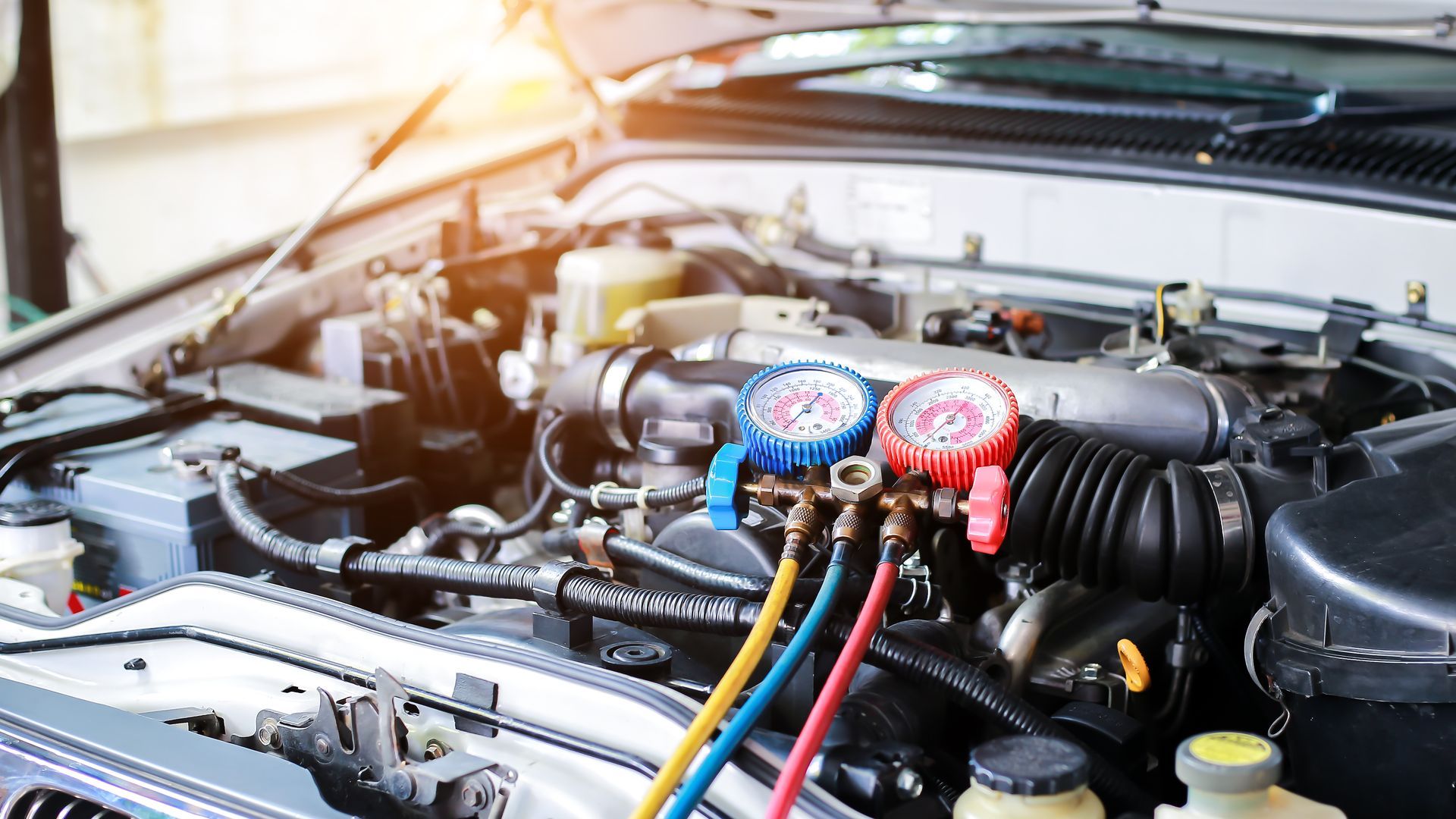
At our shop, we clean the suspect area and observe where fresh moisture appears during pressure testing. The test must stay within the specified limits.
Hoses and Mounts Can Stress the Tank
A stiff hose, the wrong replacement hose, or a connection forced into position can load a radiator neck sideways. Broken mounts allow movement the assembly wasn't intended to absorb. After front-end repairs, a shifted support or poorly seated radiator can also leave the tanks under tension before the engine even warms up.
The surrounding installation deserves attention when a crack develops near a mounting point or neck. Simply fitting a new radiator against the same misaligned hose can repeat the stress. We check the hose routing, supports, cushions, and fan clearance along with the leak. Pulling or twisting an old hose aggressively during service can also damage an already brittle neck.
Cooling-System Pressure Needs Proper Control
The pressure cap controls the system's intended pressure limit. The correct rating helps the coolant operate without boiling too soon, while the relief function handles excess pressure. The wrong cap, or one that doesn't operate correctly, changes those conditions. Check it rather than replacing it with a higher-rated cap to prevent coolant from escaping.
Severe overheating or combustion gases entering the cooling system can add further stress, but a cracked tank alone doesn't cause either problem. Temperature history, cap testing, and additional engine tests provide that evidence. A normal gauge reading after you refill the reservoir doesn't explain why the fluid escaped or prove that pressure regulation is healthy.
Coolant Condition Affects the Whole Radiator
Using the specified coolant mixture helps protect the radiator's materials and maintain heat transfer. Incorrect mixing, contamination, and neglected service can affect corrosion protection or leave deposits that reduce cooling performance. Color by itself doesn't identify the required chemistry. Adding a different coolant because it looks similar can create an avoidable compatibility problem.
Coolant care belongs in regular maintenance, but it cannot reverse aged or cracked plastic. During an inspection, consider the tubes, fins, hoses, and coolant condition together. A tank leak beside a badly deteriorated core calls for a different repair choice than an otherwise sound radiator with a serviceable tank connection. Avoid promising a tank-only repair before the assembly is assessed.
Repair the Leak Without Leaving the Cause Behind
Adhesive applied to a hot, coolant-contaminated crack is not a dependable long-term radiator repair. Thermal movement and pressure keep working the damaged area. A specialist can assess whether tank or seal replacement suits that radiator; on many passenger vehicles, replacing the assembly is more practical than rebuilding an aged unit.
Afterward, use the correct fill and air-removal procedure and verify operation through warm-up and cool-down. Check for repeat leakage, fan clearance, and stable temperature. Never remove a pressure cap from a hot system. If the vehicle overheats or loses coolant rapidly, stop and arrange assistance instead of continuing to refill it at the roadside.
Get Radiator Leak Repair In Okeechobee, FL, With AAA Radiator & Air Conditioning Inc
AAA Radiator & Air Conditioning Inc in Okeechobee, FL, can check whether coolant is escaping from a tank, seam, or nearby connection. The repair can then address the confirmed source.
Contact us to arrange a radiator leak check and review the repair options for your vehicle.