Coolant service sounds simple until you realize how many different problems can look the same from the driver’s seat. A low level, a slow leak, and old coolant can all lead to similar symptoms, especially when the engine is working harder. The mistake is treating every situation like it needs a full flush, or treating every level drop like it is no big deal.
A couple of smart checks can tell you which direction makes sense.
What Coolant Actually Does For Your Engine
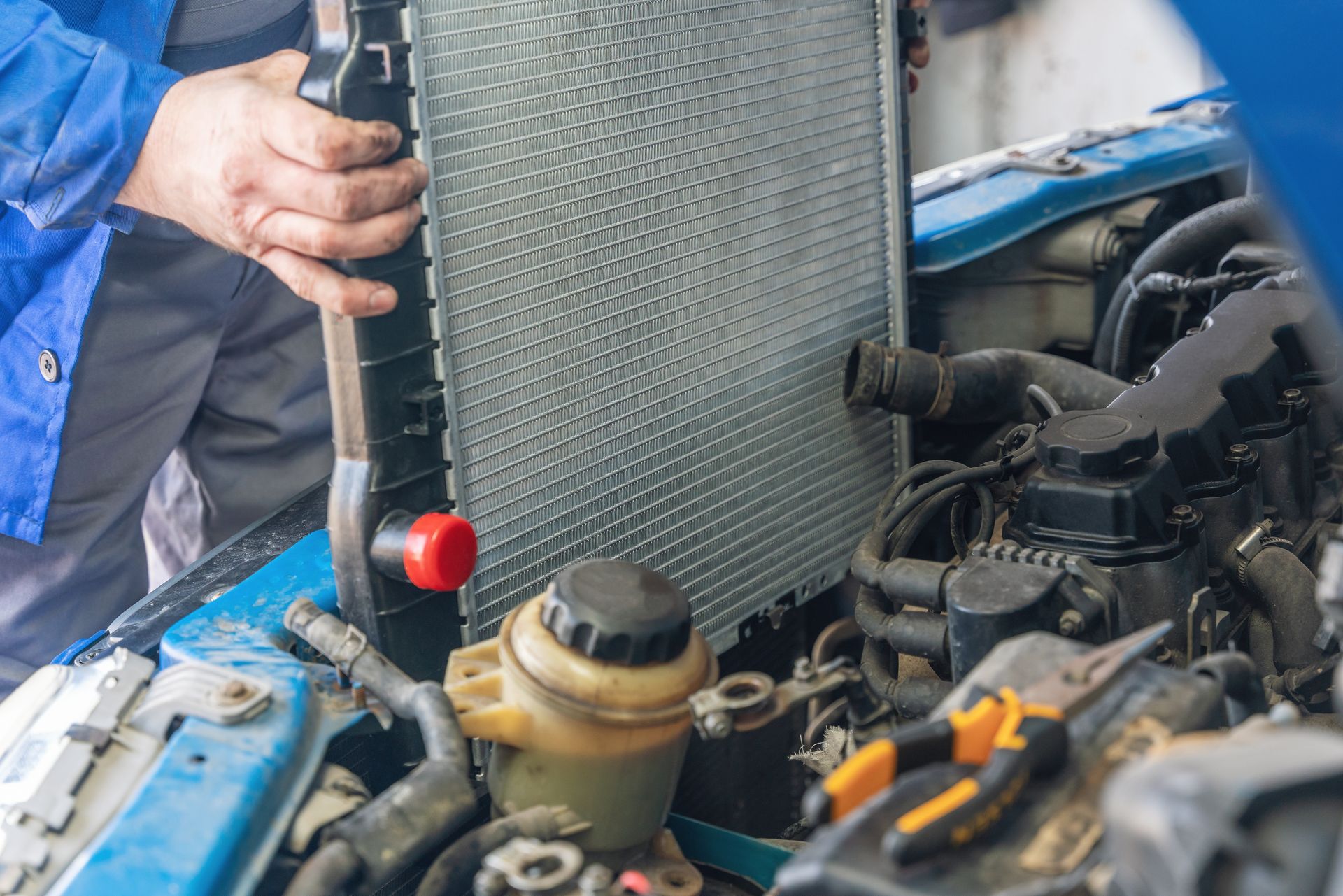
Coolant does more than prevent overheating. It carries heat away from the engine, helps regulate temperature swings, and protects metal surfaces from corrosion inside the radiator, heater core, and engine passages. It also lubricates seals in the cooling system, which is one reason neglected coolant can lead to leaks later.
The system is designed around a specific coolant type and mix ratio. When that mix is off, the boiling point and freeze protection change, and so does how well the additives fight corrosion. That is why coolant health matters even when the temperature gauge looks fine.
Topping Off Makes Sense In These Cases
Topping off is usually the right move when the coolant is only slightly low and the coolant itself still looks healthy. Sometimes a small drop happens after a recent service as trapped air works its way out, or after a minor seep that has not turned into a steady leak yet. If the level is just below the mark and the vehicle has been stable otherwise, a careful top-off can buy you time.
It still needs a reason, though. A quick inspection helps confirm whether there is an obvious leak at a hose end, radiator seam, reservoir, or water pump area. If you keep topping off every couple of weeks, that is a pattern that should be traced, not managed forever.
When A Flush Is The Smarter Move
A flush makes sense when the coolant is old, contaminated, or no longer protecting the system. Over time, additives get used up and the coolant can become more acidic, which encourages corrosion and deposit buildup. Those deposits can restrict flow through the radiator and heater core, and that is when temperature issues start showing up.
A flush is also a good idea after certain repairs or when the wrong coolant has been mixed in. We’ve seen cooling systems behave oddly after a top-off with an incompatible coolant, even if the level was correct. Flushing the system and refilling with the right coolant restores a clean baseline.
Signs Your Coolant Is Past Its Prime
The coolant does not have to be completely brown to be a problem. Subtle changes in color, residue in the reservoir, or a slightly oily film can all point to coolant that is no longer doing its job. A sweet smell near the front of the vehicle can also hint at a small leak that is evaporating before it drips.
If you are unsure what you are looking at, these are common clues that a flush should move higher on your list:
- Rusty tint or cloudy coolant in the reservoir
- Grit, flakes, or sludge-like residue around the cap
- Heater performance that fades or alternates between warm and cool
- Temperature creeping up in traffic more than it used to
- Repeated low-coolant warnings even after topping off
Even one of these can be worth checking sooner. The goal is to keep the system clean and sealed, so it can control temperature without working overtime.
Why The Right Coolant And Mix Ratio Matters
Coolant is not a one-size-fits-all fluid. Different formulations use different additive packages, and mixing types can reduce protection or create gel-like residue that restricts flow. The correct mix ratio also matters because too much water lowers boil protection, and too much concentrate can reduce heat transfer.
Proper filling is part of the equation too. Air pockets can cause false overheating symptoms and weak heater output, and they can make coolant level readings confusing for days afterward. If the system has been opened or run low, bleeding it correctly helps the coolant circulate the way it should.
Simple Habits That Prevent Overheating
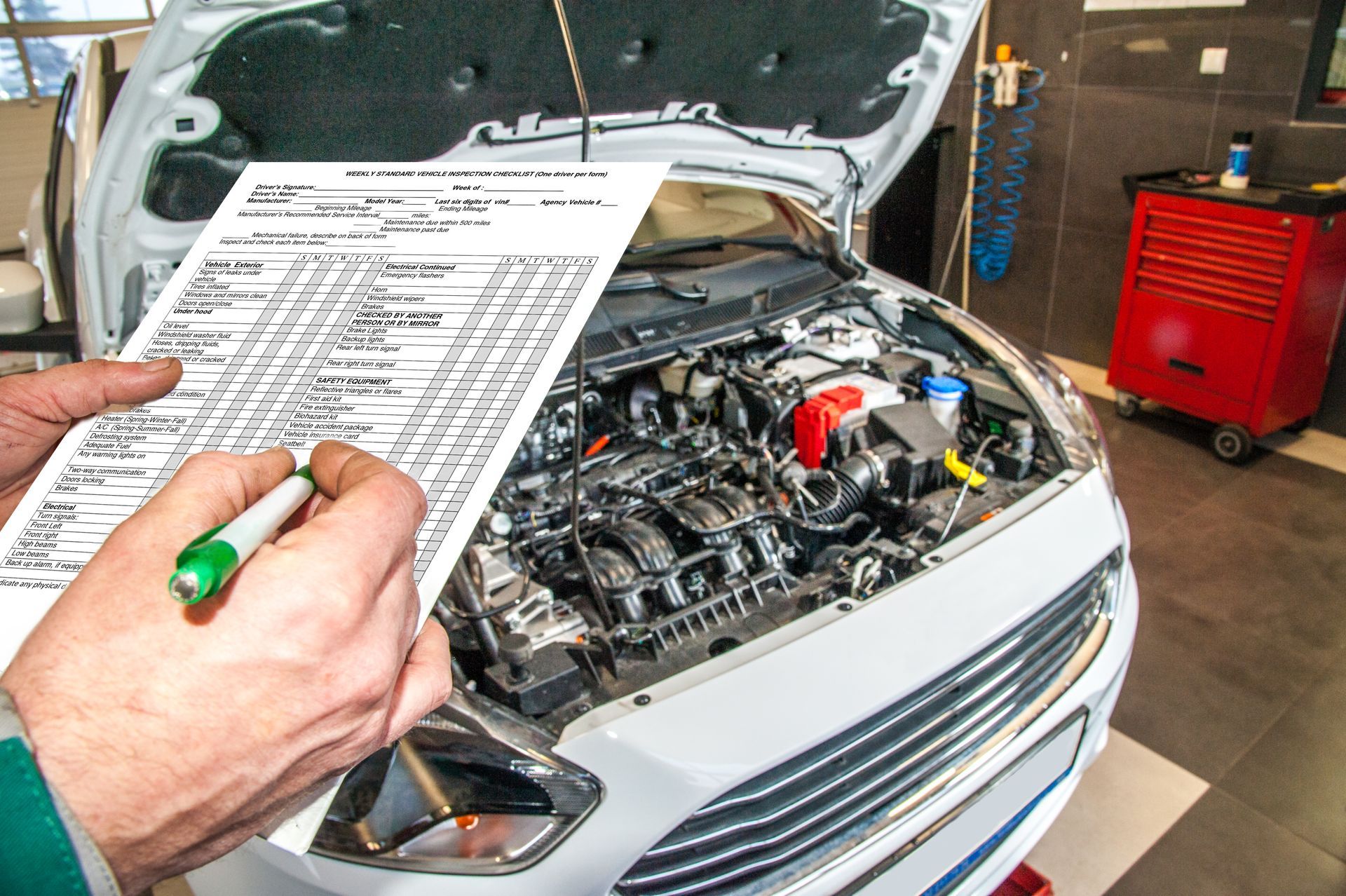
Checking coolant level occasionally is one of the easiest ways to catch a problem early, especially before long drives or big temperature swings. It also helps to glance at the condition of hoses and clamps, since many leaks start as a light seep long before they become a drip. If the reservoir keeps dropping, treat that as information, not bad luck.
This is where regular maintenance pays off, because cooling system checks can be paired with oil service and tire rotations without adding much time. If you notice the heater changing output, the temperature gauge climbing in traffic, or a sweet smell after shutdown, get it checked while it is still a small issue. A small leak and a flush are usually easier than repairing damage caused by repeated overheating.
Get Coolant Service In Okeechobee, FL, With AAA Radiator & Air Conditioning Inc
If you are dealing with a low coolant level, inconsistent heat, or temperature changes, AAA Radiator & Air Conditioning Inc can help you figure out whether a simple top-off is enough or a full flush is the smarter move. Our technicians will check the system for leaks and coolant condition, then recommend a plan that fits what your vehicle actually needs.
Schedule a visit and get your cooling system back to a steady, reliable baseline.